
Telogen Effluvium in Men
Telogen effluvium in men is a form of temporary hair loss that results from a disruption in the normal hair growth cycle. This condition is characterized by diffuse shedding, meaning hair falls out from all over the scalp rather than in patches or specific areas. While telogen effluvium can be alarming, it is typically reversible and does not cause permanent baldness. Understanding the triggers, appearance, and management of telogen effluvium helps men distinguish it from other types of hair loss and take practical steps toward recovery.
Up to 70%
2-3 Months
95%
Up to 300
Causes of Male Hair Shedding
A wide range of factors can trigger telogen effluvium in men. The most common causes include physical stressors such as illness, surgery, or significant weight loss. Emotional stress, including major life changes or psychological distress, can also disrupt the hair cycle. Certain medications, nutritional deficiencies, and hormonal imbalances may contribute to the onset of diffuse hair shedding.
In about one-third of cases, no clear cause is identified. The body’s response to stress prioritizes vital organ systems, often at the expense of hair growth. This leads to a conservation effort where many hairs are rapidly shifted from the growth phase into the resting phase. Shedding typically becomes noticeable four to six weeks after the triggering event and may continue for several months. Understanding these causes is essential for identifying and managing telogen effluvium in men.
Common Triggers in Men
Men may experience telogen effluvium after events such as major surgery, high fever, severe infections, or rapid weight loss. Chronic illnesses, thyroid disorders, and nutritional deficiencies-especially low iron, zinc, or vitamin D-are also recognized triggers. Medications including some antihypertensives, anticonvulsants, and anticoagulants can induce hair shedding as a side effect.
Psychological stress, such as job loss, divorce, or bereavement, is another frequent cause. Even positive life changes that cause significant emotional shifts can contribute. In some cases, the stress of experiencing hair loss itself can perpetuate the cycle, making it important to address both physical and emotional health when managing telogen effluvium.
How Does Telogen Effluvium Look in Men?
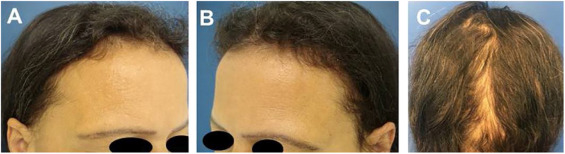
credit to: Science Direct
Telogen effluvium in men typically presents as diffuse thinning across the scalp rather than patchy or localized hair loss. The shedding is often most noticeable on the top of the head, but it can affect the entire scalp. Unlike male pattern baldness, telogen effluvium does not usually cause a receding hairline or bald spots. Instead, men may observe increased hair on their pillow, in the shower, or when combing their hair.
The overall density of the hair decreases, leading to a less full appearance. In severe cases, the thinning may extend to other body areas such as the eyebrows or body hair, but this is less common. The scalp usually remains healthy in appearance, without redness, scaling, or scarring. Recognizing the signs of diffuse shedding helps distinguish telogen effluvium from other forms of hair loss.
Signs of Diffuse Shedding
Diffuse shedding refers to hair loss that occurs evenly across the scalp. Men with telogen effluvium may notice handfuls of hair coming out during washing or brushing. The amount of hair shed can be significantly higher than the typical 50 to 100 hairs lost daily, with some men losing up to 300 hairs per day.
Other signs include a reduction in ponytail thickness (for those with longer hair) and increased scalp visibility, especially under bright light. The process is usually sudden and can be distressing, but the scalp itself typically appears normal and free of irritation or pain.
Difference from Male Pattern Baldness
Male pattern baldness, also known as androgenetic alopecia, is characterized by gradual thinning and recession at the temples and crown. In contrast, telogen effluvium causes rapid, diffuse shedding without a specific pattern. The hairline is usually preserved, and there are no distinct bald patches.
While male pattern baldness progresses slowly over years, telogen effluvium develops quickly-often within weeks to months after a trigger. The absence of miniaturized hairs and the presence of uniform thinning are key features that help differentiate telogen effluvium from male pattern hair loss.
Telogen Effluvium vs. Male Pattern Thinning
Both TE and male pattern thinning can cause noticeable hair loss in men, but their causes, progression, and outcomes differ significantly. Telogen effluvium is a temporary response to a stressor, while male pattern thinning is a genetically driven, chronic process.
How to Tell Them Apart
Telogen effluvium typically presents as sudden, widespread thinning that affects the entire scalp. The shedding often follows a stressful event by two to three months and is usually self-limiting. In contrast, male pattern thinning develops gradually, often starting at the temples or crown and progressing over years.
A key distinction is that telogen effluvium does not cause permanent follicle damage or scarring, so regrowth is expected once the trigger is resolved. Male pattern baldness involves progressive miniaturization of hair follicles, leading to permanent thinning and recession. If hair loss is rapid and diffuse, telogen effluvium is more likely.
Impact on the Hairline and Crown
In telogen effluvium, the hairline is generally maintained, and thinning occurs evenly across the scalp. The crown may appear less dense, but there are no sharply defined bald spots. This contrasts with male pattern baldness, where the hairline recedes and the crown develops a distinct thinning area.
Men with telogen effluvium may notice increased scalp show at the part or a general decrease in volume, but the overall shape of the hairline remains intact. Recognizing these patterns can help men and their healthcare providers differentiate between the two conditions.
Diagnosis of Telogen Effluvium in Men
Diagnosing telogen effluvium involves a thorough medical history, physical examination, and sometimes laboratory tests. Healthcare providers will ask about recent illnesses, surgeries, major life events, dietary changes, and medications. The timing and pattern of hair loss provide important clues, as telogen effluvium typically begins two to three months after a triggering event.
A gentle hair pull test may be performed, where several hairs are gently tugged to see how many come out easily. In telogen effluvium, more than a few hairs may be released, and the roots will have a characteristic white bulb. Blood tests may be ordered to check for nutritional deficiencies, thyroid dysfunction, or other underlying medical conditions. In most cases, a scalp biopsy is not necessary unless the diagnosis is uncertain or another type of hair loss is suspected.
Managing and Treating Telogen Effluvium
The primary approach to managing telogen effluvium is identifying and addressing the underlying cause. Since most cases are self-limited, reassurance and education are important. If a specific trigger such as a medication, nutritional deficiency, or illness is found, treating that issue can help restore normal hair growth. Emotional support is also crucial, as the psychological impact of hair loss can be significant.
Medical treatments are generally not required for acute telogen effluvium, but some men may benefit from targeted therapies or supportive measures. Lifestyle modifications, nutritional support, and stress management can all contribute to recovery. In persistent or chronic cases, further evaluation and specialized treatments may be considered.
Lifestyle Tips
Maintaining a balanced diet rich in essential nutrients supports hair health and recovery. Ensuring adequate intake of iron, zinc, vitamin D, and protein can help address nutritional deficiencies that may contribute to shedding. Regular exercise and good sleep hygiene also promote overall well-being and may reduce the impact of stress on the hair cycle.
Gentle hair care is recommended during periods of increased shedding. Avoiding harsh treatments, minimizing heat styling, and using mild shampoos can help protect fragile hair. It is safe to continue washing and grooming hair as usual, as normal hair care does not worsen telogen effluvium.
Medical Treatments
In most cases, telogen effluvium resolves without medical intervention once the underlying cause is addressed. However, some men may choose to use topical minoxidil, which has theoretical benefits for promoting hair regrowth, though its effectiveness in telogen effluvium is not conclusively proven. Oral minoxidil may be considered for those who cannot tolerate topical formulations, under medical supervision.
Other emerging treatments include multivitamin mesotherapy and botulinum toxin A, which have shown some promise in clinical studies. These options are generally reserved for persistent or severe cases. Emotional support and reassurance remain central to management, as the prognosis for hair regrowth is excellent in most me
Recovery: What to Expect
Recovery from telogen effluvium varies depending on the cause and individual response. In acute cases, hair shedding typically subsides within six months, and regrowth becomes noticeable as the hair cycle returns to normal. Most men experience a full return of hair density, with new growth appearing as fine, short hairs that gradually thicken over time.
Chronic telogen effluvium, lasting longer than six months, may require ongoing management and monitoring. Even in chronic cases, the prognosis for cosmetic recovery is good, and permanent baldness is rare. Patience is important, as visible improvement may take several months. Emotional reassurance and support can help men cope with the temporary changes in appearance during recovery.
Frequently Asked Questions
Can telogen effluvium cause permanent baldness?
Telogen effluvium does not cause permanent baldness. The condition is non-scarring and reversible, meaning hair follicles remain intact and capable of regrowth. Once the underlying trigger is resolved, hair typically returns to its normal density.
How long does hair shedding last in men?
Hair shedding from acute telogen effluvium usually lasts less than six months. Shedding often begins two to three months after a triggering event and gradually subsides as the hair cycle normalizes. Chronic cases may persist longer but still have a good prognosis for recovery.
Does stress really cause telogen effluvium?
Yes, both physical and emotional stress are well-established triggers for telogen effluvium. Stressful events can disrupt the hair growth cycle, causing more hairs to enter the shedding phase. Managing stress is an important part of recovery.
Can you have telogen effluvium and male pattern baldness at the same time?
It is possible for men to experience both telogen effluvium and male pattern baldness simultaneously. Telogen effluvium causes diffuse, temporary shedding, while male pattern baldness leads to gradual, patterned thinning. A healthcare provider can help distinguish between the two and recommend appropriate management.
What tests might my doctor do?
Doctors may perform a physical examination, review your medical history, and order blood tests to check for nutritional deficiencies, thyroid function, or other underlying conditions. A hair pull test may also be conducted to assess the degree of shedding. Scalp biopsy is rarely needed unless another diagnosis is suspected.
Will all my hair grow back?
Most men with telogen effluvium experience complete regrowth of lost hair once the underlying cause is addressed. Recovery may take several months, and new hair may initially appear fine or short before thickening over time.
How can I support hair regrowth?
Supporting hair regrowth involves addressing any underlying health issues, maintaining a balanced diet, managing stress, and practicing gentle hair care. In some cases, topical treatments or supplements may be recommended by a healthcare provider. Patience and reassurance are key, as hair regrowth is a gradual process.
Fact Checked
Updated: December 30, 2025
Reviewed for accuracy against authoritative clinical sources and peer reviewed dermatology references. Educational content only.
Quality Controlled
We use a structured editorial process focused on clarity, accuracy, and alignment with current clinical understanding. This content is not a substitute for professional medical advice.
Editorial Policy
Clinical Sources