
Best Shampoo for Telogen Effluvium
Choosing the best shampoo for telogen effluvium is about supporting scalp comfort and hair manageability, not about stopping the shedding cycle itself. A gentle shampoo can help reduce scalp irritation and minimize hair breakage, making daily hair care less stressful during a period of increased shedding.
Normal daily telogen hair shedding (hairs per day)
Delay between trigger and increased shedding
Scalp hairs normally in telogen phase
Typical increase in shedding at onset of telogen effluvium
Our Top 5 Shampoo Picks for Telogen Effluvium (2026)
No shampoo can stop telogen effluvium at its source — but the right formula meaningfully reduces scalp irritation, minimizes breakage, and improves how thinning hair looks and feels. Our picks are organized by use case with honest notes on what each one does and doesn’t do.
| # | Shampoo | Best For | Sulfate-Free | Key Ingredient(s) |
|---|---|---|---|---|
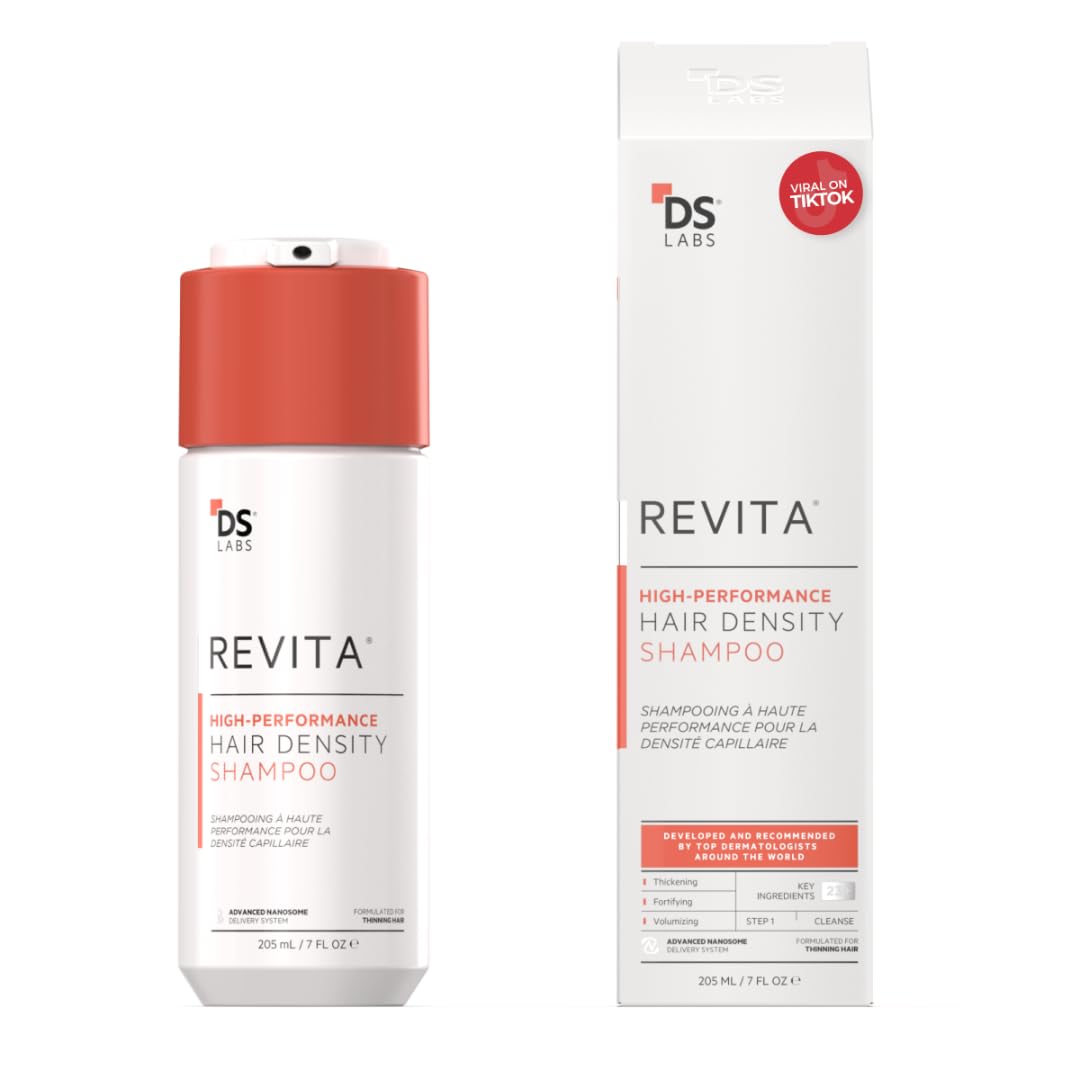
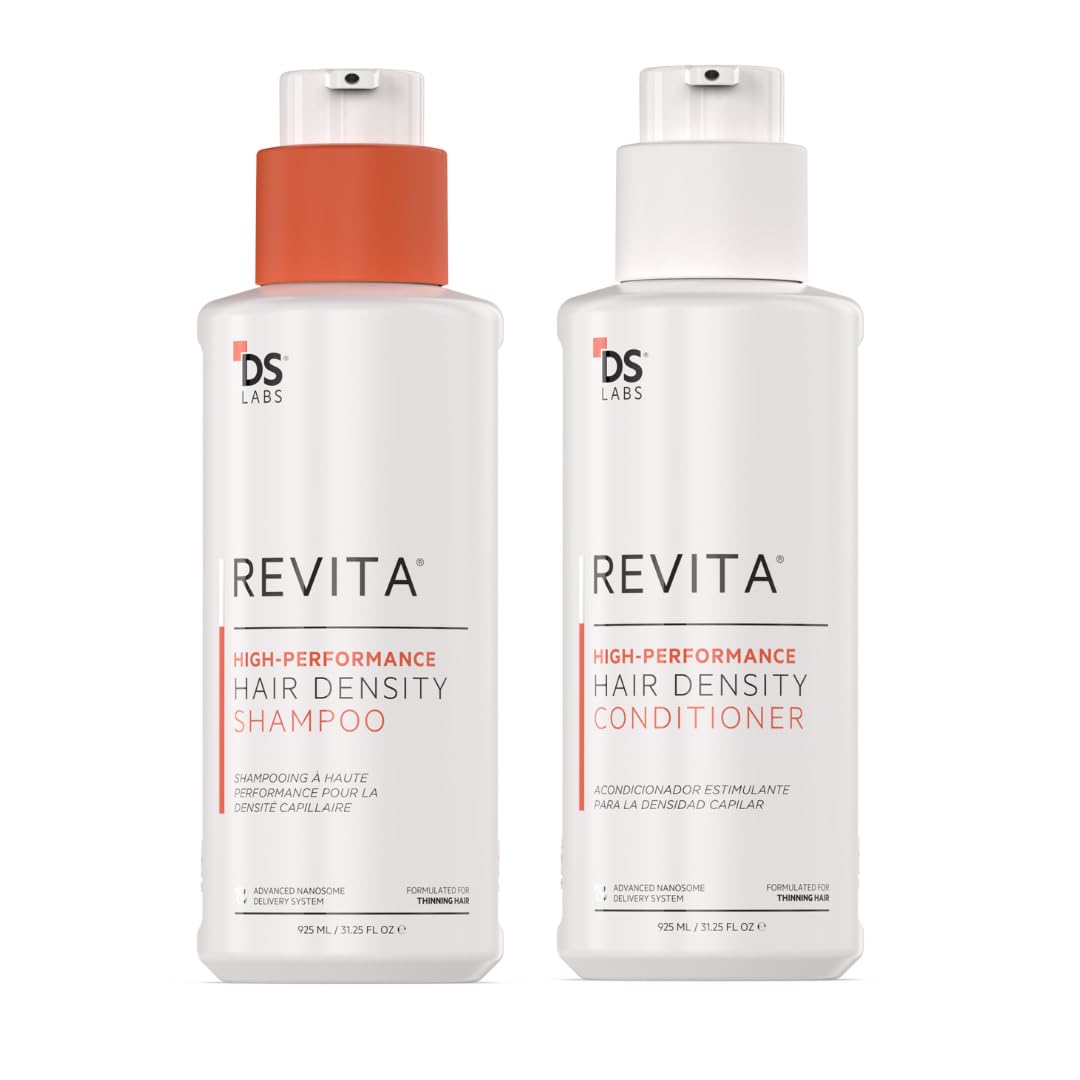
| 1 | DS Laboratories Revita | Best overall | ✓ | Caffeine, Biotin, Procyanidin B2 |
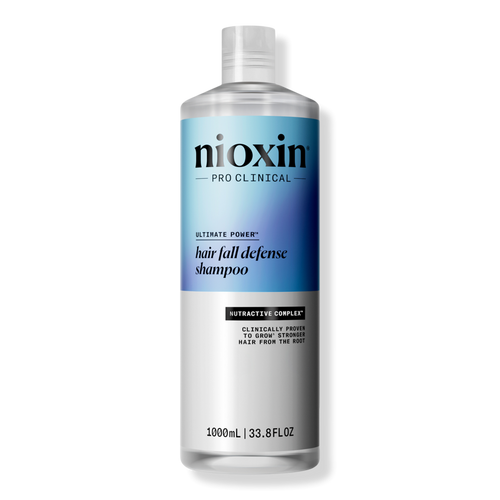
| 2 | Nioxin Hair Fall Defense | Clinically tested daily use | — | Sandalore™, Niacinamide, Caffeine |
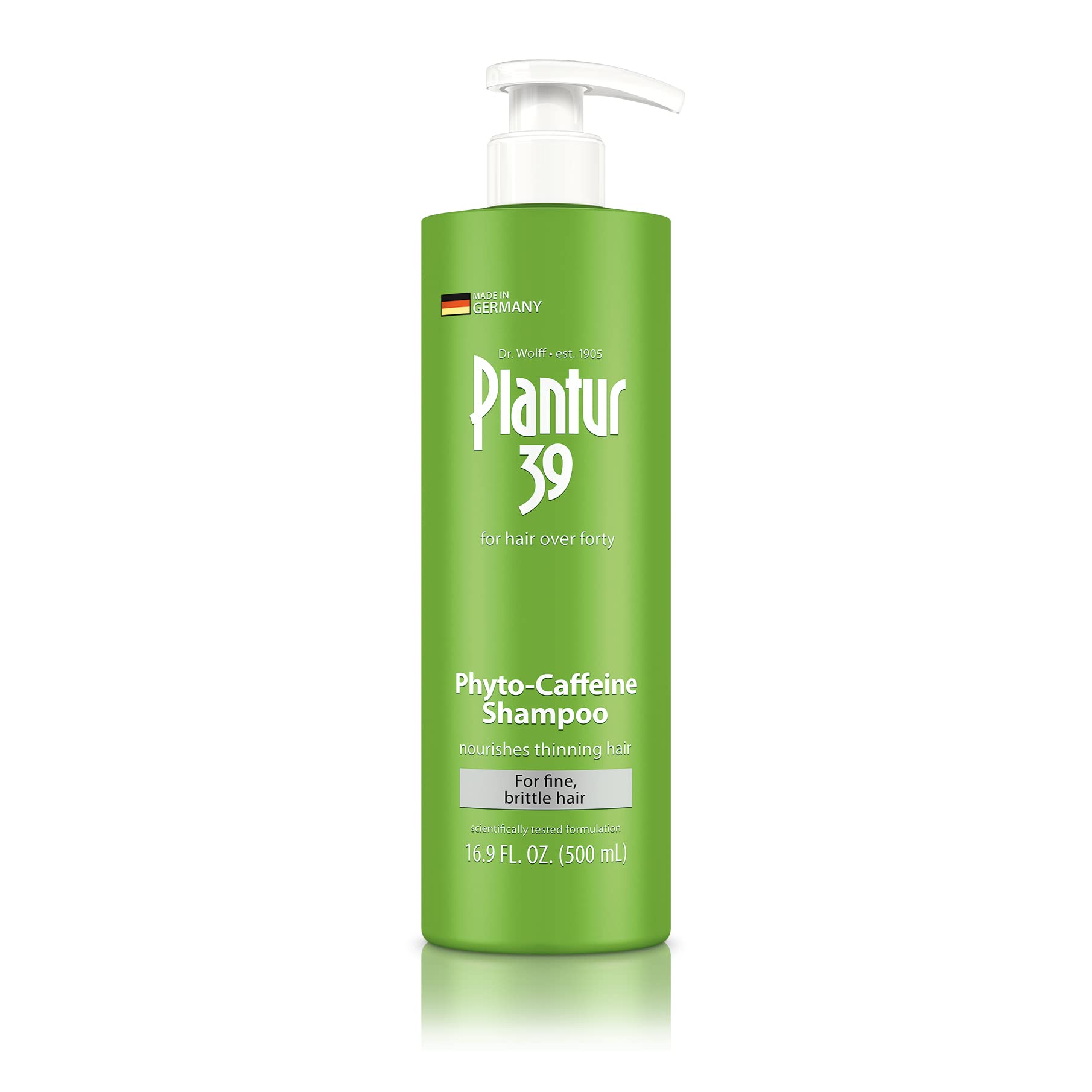
| 3 | Plantur 39 Phyto-Caffeine | Women / hormonal TE | — | Phyto-Caffeine Complex, Zinc PCA |
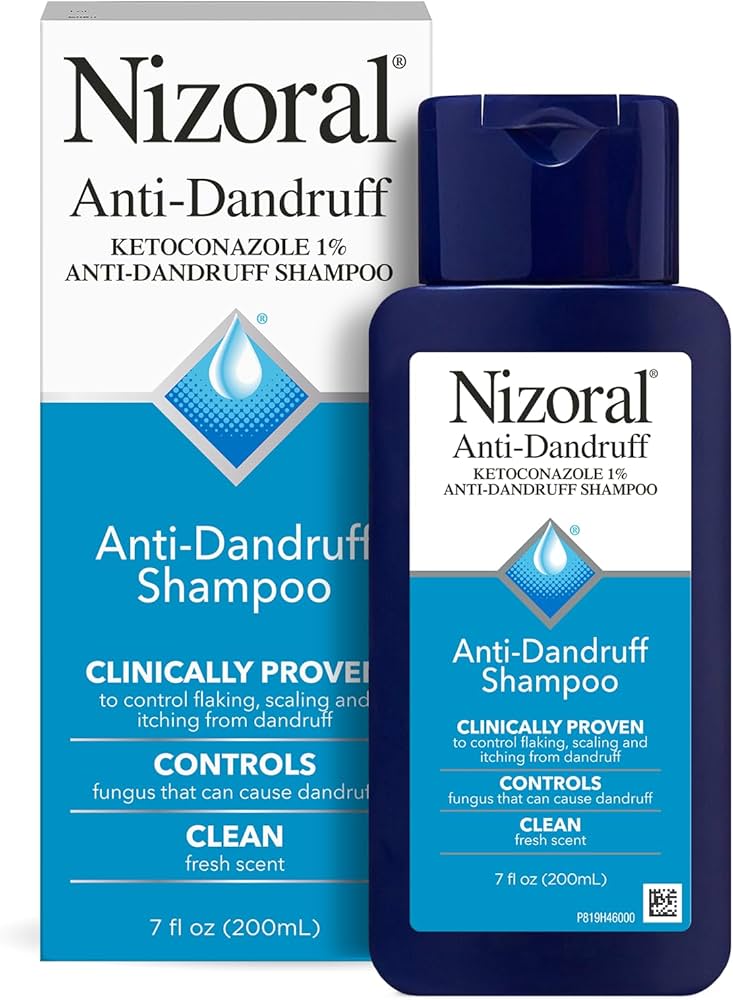
| 4 | Nizoral 1% Ketoconazole | TE + scalp inflammation | — | Ketoconazole 1% |
| 5 | DS Labs Revita Kit | Best shampoo + conditioner set | ✓ | Caffeine, Copper Peptides, Taurine |
Disclosure: Some product links on this page are Amazon affiliate links. We may earn a small commission if you purchase through these links, at no extra cost to you. This does not influence our editorial recommendations.
What shampoo can and cannot do
Using a good shampoo can help control hair shedding, however, it cannot cure telogen effluvium or stop the shedding process entirely itself. The underlying cause must be identified and addressed for shedding to resolve. However, the right shampoo can help maintain scalp comfort, reduce irritation, and minimize hair breakage, which can make the experience of hair shedding less distressing. Using a gentle shampoo supports scalp health and helps prevent additional hair damage during this sensitive period.
Why hair sheds in telogen effluvium
Hair grows in cycles, including anagen (growth), catagen (transition), and telogen (resting) phases. In telogen effluvium, a trigger such as illness, surgery, or nutritional deficiency causes more hair follicles than usual to shift from the growth phase into the resting phase. After about two to three months, these hairs are shed from the scalp, leading to noticeable thinning. Shedding of 100 to 150 telogen hairs per day is considered normal, but in telogen effluvium, this number can increase by about 25 percent.
Triggers for telogen effluvium are varied and can include acute stress, chronic illness, hormonal changes, and dietary deficiencies. The condition is usually temporary if the trigger is short-lived, but ongoing triggers can cause prolonged or chronic shedding. Understanding the hair cycle and the delayed response between a trigger and visible shedding is key to managing expectations and care.
What to realistically expect from a “best shampoo for telogen effluvium”
No shampoo can reverse the underlying cause of telogen effluvium or directly halt the shedding of telogen-phase hairs. The main role of shampoo during this period is to keep the scalp clean, minimize irritation, and reduce hair breakage. A gentle, non-irritating formula can help soothe the scalp and make hair easier to manage, which is especially important when hair feels fragile.
Some shampoos may claim to promote hair growth or stop shedding, but these claims are not supported by clinical evidence for telogen effluvium. Instead, focus on products that are labeled for sensitive scalps, are free from harsh ingredients, and help maintain scalp comfort. Consistent, gentle cleansing can support overall scalp health while the hair cycle normalizes.
How to choose a shampoo for hair shedding
Selecting a shampoo for hair shedding during telogen effluvium should prioritize scalp comfort and hair manageability. Look for products that are marketed as gentle, suitable for sensitive skin, and free from harsh detergents or fragrances. Avoid shampoos that promise rapid hair regrowth or dramatic results, as these are not realistic for this condition.
Consider your scalp type when choosing a shampoo. Oily, dry, or sensitive scalps may benefit from different formulations. The goal is to keep the scalp clean without over-drying or causing additional irritation, which can worsen discomfort and potentially increase breakage.
Aim for gentle cleansing, not “hair growth” claims
Many shampoos marketed for hair loss contain ingredients that claim to stimulate growth, but there is no strong evidence that these products can reverse telogen effluvium. Instead, focus on gentle cleansing to remove excess oil, dirt, and styling products without stripping the scalp of its natural moisture. Look for shampoos labeled as mild or formulated for daily use.
Avoid products with aggressive marketing about stopping hair loss, as these may contain unnecessary or irritating ingredients. The best shampoo for hair shedding is one that supports scalp health and does not contribute to further irritation or breakage.
Match the shampoo to your scalp type (oily, dry, sensitive)
If your scalp is oily, choose a gentle shampoo that can cleanse effectively without over-drying. For dry or sensitive scalps, look for moisturizing or hydrating formulas that are free from sulfates and strong fragrances. Sensitive scalps may also benefit from hypoallergenic or dermatologist-tested products.
Pay attention to how your scalp feels after washing. If you notice increased itching, redness, or discomfort, consider switching to a different formula. Matching the shampoo to your scalp type helps maintain comfort and reduces the risk of irritation during periods of increased hair shedding.
Ingredients and features to look for
The right shampoo ingredients can make a significant difference in scalp comfort and hair manageability during telogen effluvium. Focus on formulas that are gentle, non-irritating, and supportive of hair strength. Features such as low fragrance, mild surfactants, and conditioning agents can help reduce breakage and tangling, making daily care easier.
Reading ingredient labels and understanding what to look for can help you avoid unnecessary irritation. Choose products that are designed for sensitive skin or labeled as gentle, and consider additional features like volumizing effects if you want to improve the appearance of thinning hair.
Caffeine shampoos for telogen effluvium: what the evidence says
Caffeine is one of the most studied topical ingredients for hair loss. It works by penetrating the hair follicle and inhibiting phosphodiesterase, increasing cellular energy (cAMP) that supports hair follicle activity. Multiple clinical studies on women with diffuse hair thinning — a pattern that overlaps significantly with telogen effluvium — found that regular caffeine shampoo use led to meaningful reductions in shedding over 3–6 months. Importantly, caffeine must remain on the scalp for at least 2 minutes after lathering to allow sufficient absorption. Products like DS Laboratories Revita, Nioxin Hair Fall Defense, and Plantur 39 all include caffeine as a core active ingredient.
Ketoconazole shampoo for telogen effluvium
Ketoconazole is an antifungal agent primarily used to treat seborrheic dermatitis and dandruff, but research suggests it may offer additional benefits for hair loss. It has mild anti-androgenic properties, and some studies have shown improvement in hair density with regular use. Its primary role in the context of telogen effluvium is reducing scalp inflammation — since seborrheic dermatitis is a recognized factor that can worsen and prolong shedding. Nizoral (1% ketoconazole) is used twice per week between your regular shampoo, not as a daily cleanser. If you have signs of dandruff, flaking, or itching alongside your TE, it is a worthwhile addition to your routine.
Fragrance-free or low-fragrance options
Fragrances are a common source of scalp irritation, especially for those with sensitive skin or underlying dermatitis. Choosing a fragrance-free or low-fragrance shampoo can help reduce the risk of itching, redness, or allergic reactions. These formulas are often recommended for people experiencing increased hair shedding or scalp discomfort.
If you are sensitive to scents or have a history of scalp irritation, look for products labeled as “fragrance-free,” “unscented,” or “for sensitive skin.” Reducing fragrance exposure can help keep the scalp calm and comfortable during telogen effluvium.
Mild surfactants (sulfate-free or low-irritant formulas)
Sulfates are strong cleansing agents that can strip the scalp of natural oils and cause dryness or irritation. During telogen effluvium, it is best to use shampoos with mild surfactants or sulfate-free formulas. These options cleanse the scalp effectively without causing excessive dryness or aggravating sensitive skin.
Look for shampoos that use gentle cleansing agents such as cocamidopropyl betaine or decyl glucoside. These ingredients are less likely to cause irritation and are suitable for regular use, helping to maintain scalp health and reduce the risk of additional hair breakage.
Conditioners that reduce hair breakage and tangling
While shampoo cleanses the scalp, conditioner plays a key role in reducing hair breakage and tangling. During telogen effluvium, hair may feel more fragile and prone to snapping. Using a lightweight conditioner or leave-in product can help smooth the hair shaft, making it easier to detangle and less likely to break during brushing or styling.
Choose conditioners that are free from heavy silicones or oils if you are concerned about weighing hair down. Focus on products that provide slip and moisture without leaving residue, and use a wide-tooth comb to gently detangle wet hair.
Volumizing shampoo for shedding: what it can help with
Volumizing shampoos are designed to improve the appearance of hair thickness by lifting the roots and adding body. While they cannot stop hair shedding, these products can help hair look fuller and less limp during periods of telogen effluvium. This can be especially helpful for boosting confidence when hair feels thin.
Be cautious with volumizing shampoos if you have a sensitive scalp, as some formulas contain strong cleansers or styling polymers that may cause irritation. Look for volumizing options that are also labeled as gentle or suitable for sensitive skin to balance cosmetic benefits with scalp comfort.
Ingredients and features to avoid (especially with irritation)
Certain ingredients in shampoos can worsen scalp irritation or trigger dermatitis, especially during periods of increased hair shedding. Avoiding harsh cleansers, strong fragrances, and common allergens can help protect the scalp and minimize discomfort. Over-washing or frequent use of clarifying shampoos can also strip the scalp of its natural oils, leading to dryness and increased sensitivity.
Reading labels and being aware of potential irritants is particularly important if you have a history of scalp issues or are experiencing inflammation. When in doubt, choose products formulated for sensitive skin and avoid unnecessary additives.
Strong fragrances and essential oils
Strong synthetic fragrances and certain essential oils can cause scalp irritation, allergic reactions, or worsen existing dermatitis. Even natural fragrances are not always safe for sensitive skin. If you notice itching, redness, or burning after using a fragranced shampoo, discontinue use and switch to a fragrance-free alternative.
Essential oils such as peppermint or rosemary are sometimes promoted for hair health, but they can be irritating if not properly diluted. For those with telogen effluvium and sensitive scalps, it is safest to avoid shampoos with added essential oils unless recommended by a healthcare provider.
Harsh cleansers, frequent clarifying, and over-washing
Shampoos with strong detergents, such as sodium lauryl sulfate, can strip the scalp of protective oils and lead to dryness or irritation. Over-washing or using clarifying shampoos too often can exacerbate these effects, making the scalp more prone to discomfort and potentially increasing hair breakage.
Limit clarifying shampoos to occasional use, and focus on gentle, hydrating formulas for regular cleansing. Washing hair every day is usually not necessary unless you have a very oily scalp, and can often be reduced to every other day or less during telogen effluvium.
Common irritants and allergens that can trigger dermatitis
Some shampoo ingredients are known to trigger allergic reactions or contact dermatitis, especially in sensitive individuals. Common culprits include parabens, methylisothiazolinone, cocamidopropyl betaine (in rare cases), and certain preservatives or dyes. If you have a history of allergies or dermatitis, review ingredient lists carefully.
Patch-testing a new shampoo on a small area of skin before full use can help identify potential reactions. If you develop burning, rash, swelling, or worsening itching, stop using the product and seek medical advice promptly.
If you also have scalp irritation or dermatitis
Scalp irritation and dermatitis can complicate telogen effluvium, making it even more important to choose gentle, non-irritating hair care products. Inflammatory scalp conditions such as seborrheic dermatitis, psoriasis, or allergic reactions can worsen hair shedding and increase discomfort. Addressing inflammation is a key part of managing both scalp symptoms and hair loss.
If you suspect you have scalp dermatitis, consult a healthcare provider for diagnosis and treatment recommendations. Specialized shampoos or medicated products may be needed, but these should be used with caution and under medical supervision.
Signs your shedding may be worsened by inflammation
Symptoms such as persistent itching, redness, burning, flaking, or the presence of crusty patches on the scalp may indicate underlying inflammation or dermatitis. Inflammatory scalp conditions can increase hair shedding and make the scalp more sensitive to hair care products.
If you notice these signs, it is important to address the inflammation as part of your overall hair care routine. Using gentle, hypoallergenic shampoos and avoiding known irritants can help reduce symptoms while you seek medical advice.
Scalp irritation shampoo: how to choose and patch-test
When selecting a shampoo for an irritated or inflamed scalp, look for products labeled as hypoallergenic, fragrance-free, and formulated for sensitive skin. These shampoos are less likely to cause additional irritation and can help maintain scalp comfort during telogen effluvium.
Before using a new shampoo, perform a patch test by applying a small amount to an inconspicuous area of skin and waiting 24 hours for any reaction. If no irritation occurs, proceed with gentle use on the scalp. If symptoms worsen, discontinue use and consult a healthcare provider.
When anti-dandruff shampoos are appropriate (and when they’re not)
Anti-dandruff shampoos containing ingredients like zinc pyrithione or selenium sulfide can be helpful if you have seborrheic dermatitis or visible flaking. These products target yeast and inflammation on the scalp, which can contribute to both irritation and hair shedding.
However, anti-dandruff shampoos are not recommended for everyone with telogen effluvium. If you do not have signs of dandruff or scalp inflammation, these products may be unnecessarily harsh. Use them only if symptoms fit and under the guidance of a healthcare provider.
How to wash your hair during telogen effluvium
Proper hair washing techniques can help minimize breakage and keep the scalp comfortable during periods of increased shedding. Focus on gentle cleansing, avoiding excessive friction, and using products that support hair strength and manageability. Adjust your routine based on your scalp type and comfort level.
A simple, consistent washing routine can make a significant difference in how your hair looks and feels during telogen effluvium. Small changes in technique and product choice can help protect fragile hairs and reduce stress on the scalp.
How often to shampoo
Most people with telogen effluvium do not need to wash their hair daily. Shampooing two to three times per week is usually sufficient for maintaining scalp cleanliness without over-drying. If your scalp is oily, you may need to wash more frequently, but always use a gentle formula.
Washing less often can help preserve the scalp’s natural oils and reduce the risk of irritation. Adjust the frequency based on your individual scalp needs and how your hair feels between washes.
Handling wet hair to reduce breakage
Wet hair is more prone to breakage, especially during periods of increased shedding. After washing, gently blot hair with a soft towel rather than rubbing vigorously. Use a wide-tooth comb to detangle, starting from the ends and working upward to minimize pulling.
Avoid tight hairstyles, excessive brushing, or heat styling while hair is wet. Allow hair to air dry when possible, and handle it gently to reduce the risk of breakage and additional hair loss.
Using conditioner and leave-ins without weighing hair down
Conditioner can help smooth the hair cuticle and reduce tangling, but heavy products may weigh down fine or thinning hair. Choose lightweight, rinse-out conditioners or leave-in sprays designed for fine hair. Apply conditioner mainly to the mid-lengths and ends, avoiding the scalp if you are prone to oiliness.
Leave-in conditioners or detangling sprays can provide extra moisture and protection without making hair limp. Use these products sparingly and adjust based on your hair’s needs and texture.
Product types that can help the look and feel of thinning hair
In addition to gentle shampoos and conditioners, certain styling products can improve the appearance and manageability of thinning hair. Volumizing mousses, hair fibers, and scalp sunscreens are practical options for enhancing fullness and protecting the scalp during telogen effluvium.
Choose products that are lightweight, non-irritating, and easy to wash out. Avoid heavy waxes or gels that can weigh hair down or cause buildup. Focus on products that support your hair’s health and appearance without increasing scalp sensitivity.
Gentle daily shampoo vs. intermittent clarifying shampoo
A gentle daily shampoo is suitable for regular cleansing and maintaining scalp comfort. These formulas are designed to be mild and non-stripping, making them ideal for sensitive or shedding-prone scalps. Intermittent use of a clarifying shampoo can help remove buildup from styling products, but should be limited to once every few weeks to avoid over-drying.
If you use styling products or live in an area with hard water, an occasional clarifying wash can refresh the scalp. Always follow with a conditioner to restore moisture and protect hair strength.
Volumizing mousses, fibers, and scalp sunscreens (quick notes)
Volumizing mousses and hair fibers can help create the appearance of thicker hair by adding body and coverage to thinning areas. These products are generally safe to use during telogen effluvium, as long as they do not cause scalp irritation. Choose options that are easy to wash out and do not contain harsh chemicals.
Scalp sunscreens are important for protecting exposed areas from sunburn, especially if hair thinning is significant. Look for lightweight, non-comedogenic formulas that will not clog pores or irritate the scalp.
When to see a doctor
While telogen effluvium is often temporary and self-limited, certain symptoms warrant prompt medical attention. If you experience patchy hair loss, pain, signs of infection, or scarring, seek evaluation by a dermatologist. Prolonged or severe shedding may also require further investigation to identify underlying causes.
A healthcare provider can help determine if additional tests or treatments are needed, and can rule out other conditions such as androgenetic alopecia or autoimmune diseases. Early intervention can improve outcomes and provide reassurance during periods of distressing hair loss.
Red flags (patchy loss, scarring, pain, pus, fever)
Seek immediate medical care if you notice patchy hair loss, areas of scarring, persistent pain, pus, or fever. These symptoms may indicate underlying infection, autoimmune disease, or scarring alopecia, which require prompt diagnosis and treatment.
Do not delay seeking help if you experience these warning signs, as early intervention can prevent permanent hair loss and address any underlying health concerns.
When shedding lasts longer than expected
Telogen effluvium typically resolves within six months if the trigger is removed. If shedding persists beyond this timeframe, or if you are unsure of the cause, consult a healthcare provider. Chronic or repetitive telogen effluvium may indicate ongoing triggers or additional underlying conditions that need to be addressed.
A thorough medical history and examination can help identify factors contributing to prolonged shedding and guide appropriate management.
What tests or evaluations might be discussed
A healthcare provider may recommend blood tests to check for nutritional deficiencies (such as iron or zinc), thyroid function, or other systemic conditions. In some cases, a scalp examination or biopsy may be needed to rule out other causes of hair loss.
Discuss any new medications, recent illnesses, or dietary changes with your provider, as these can all contribute to telogen effluvium. Accurate diagnosis is key to effective management and recovery.
FAQ
What is the best shampoo for telogen effluvium?
The best shampoo for telogen effluvium depends on your specific situation. For most people, DS Laboratories Revita is a strong overall choice — sulfate-free, dermatologist-backed, with well-studied active ingredients. If your TE includes scalp flaking or itching, adding Nizoral (ketoconazole 1%) twice weekly addresses inflammation. For women with hormonal TE, Plantur 39 Phyto-Caffeine is formulated specifically for this presentation. The goal is scalp comfort and reduced breakage, not curing the shedding itself.
What is the best shampoo for telogen effluvium in women?
For women, Plantur 39 Phyto-Caffeine Shampoo is specifically formulated to address hormonal hair thinning — common after pregnancy, during perimenopause, or with thyroid-related TE. DS Laboratories Revita is also widely recommended by dermatologists for women with TE and is suitable for all hair types.
Can any shampoo stop telogen effluvium shedding?
No shampoo can stop the shedding associated with telogen effluvium. Shedding occurs due to a disruption in the hair cycle triggered by stress, illness, or nutritional deficiency. Shampoo can keep the scalp comfortable and reduce breakage, but the underlying cause must be addressed for shedding to resolve.
Does ketoconazole shampoo help with telogen effluvium?
Ketoconazole shampoo (such as Nizoral 1%) can be helpful if your telogen effluvium is accompanied by scalp inflammation, dandruff, or seborrheic dermatitis. Research suggests it reduces scalp inflammation and has mild anti-androgenic effects. It is used only twice per week — not as a daily shampoo — and is not necessary for everyone with TE.
Should I use sulfate-free shampoo for hair shedding?
Sulfate-free shampoos are recommended for those experiencing hair shedding, as they use milder cleansing agents that are less likely to irritate the scalp or strip natural oils. These gentle formulas maintain scalp health and reduce the risk of additional breakage during telogen effluvium.
Does fragrance make scalp irritation and shedding worse?
Fragrance, especially strong synthetic scents, can irritate sensitive scalps and worsen dermatitis or itching. For those with telogen effluvium and scalp discomfort, a fragrance-free or low-fragrance shampoo minimizes irritation and supports scalp comfort.
Can anti-dandruff shampoo help telogen effluvium?
Anti-dandruff shampoos can be helpful if you have scalp inflammation or visible flaking from seborrheic dermatitis. However, they are not necessary for everyone with telogen effluvium and may be too harsh for sensitive scalps. Use them only if symptoms fit and under medical guidance.
How often should I wash my hair if it’s shedding a lot?
Washing hair two to three times per week is usually sufficient during telogen effluvium. Over-washing leads to dryness and irritation; under-washing causes buildup. Use a gentle shampoo and avoid excessive friction during washing.
Will a volumizing shampoo increase shedding?
Volumizing shampoos do not increase hair shedding, but some formulas contain strong cleansers that can irritate sensitive scalps. Choose volumizing products also labeled as gentle or suitable for sensitive skin to improve hair appearance without causing discomfort.
How can I tell shedding from hair breakage?
Shedding refers to hair falling out from the root, often with a visible white bulb at the end. Breakage is hair snapping along the shaft without a root bulb. Shampoo and conditioner primarily affect breakage and manageability, not the natural shedding cycle.
Steven P., FAAD
Board-Certified Dermatologist · Fellow, American Academy of Dermatology
Steven is a board-certified dermatologist with clinical expertise in hair and scalp disorders, including telogen effluvium, alopecia areata, and androgenetic hair loss. All medical content on this page has been reviewed for clinical accuracy against peer-reviewed dermatology sources.
Fact Checked
Updated: February 2026
Peer-Reviewed Sources
Reviewed for accuracy against authoritative clinical sources and peer-reviewed dermatology references. Educational content only.
Quality Controlled
We use a structured editorial process focused on clarity, accuracy, and alignment with current clinical understanding. This content is not a substitute for professional medical advice. Editorial Policy