
Surgery or Anesthesia Hair Shedding
Reviewed by
Steven P., FAAD
Board-certified dermatologist
Updated on
Reviewed for accuracy
Table of Contents
Hair Shedding After Surgery
Experiencing hair shedding after surgery can be distressing, but it is a well-recognized phenomenon in the medical community. This shedding is most commonly a result of telogen effluvium, a temporary condition where a larger number of hair follicles enter the resting phase of the hair growth cycle. The body’s response to the stress of surgery, anesthesia, and recovery can disrupt normal hair growth, causing more hair to fall out than usual.
Normally, people lose between 50 to 100 hairs per day. After surgery, this number can increase significantly, leading to noticeable thinning. The shedding is usually diffuse, meaning it affects the entire scalp rather than creating bald patches. While the sight of increased hair loss can be alarming, it is important to know that this process is typically reversible. Most people will see their hair return to its normal fullness within several months as the body recovers and the hair growth cycle resets.
How Surgery and Anesthesia Cause Hair Shedding
The Body’s Stress Response
Surgery is a significant physical event that places stress on nearly every system in the body. This stress activates the body’s “fight or flight” response, which prioritizes vital organs and essential functions. As a result, resources such as nutrients and energy are diverted away from non-essential processes like hair growth. This shift can push more hair follicles into the telogen phase, leading to increased shedding.
Emotional stress also plays a role. The anxiety and anticipation before surgery, as well as the challenges of recovery, can further amplify the body’s stress response. Together, these factors can disrupt the hair growth cycle and trigger telogen effluvium. The shedding typically begins three to six months after the stressful event, which is why hair loss may not be immediately noticeable after surgery.
Impact of Anesthesia on Hair Growth
Anesthesia is essential for many surgical procedures, but it can also contribute to hair shedding. Some research suggests that general anesthesia, especially during longer surgeries, may increase the risk of telogen effluvium and, in rare cases, positional alopecia. Positional alopecia occurs when prolonged pressure on the scalp during surgery reduces blood flow to hair follicles, leading to localized hair loss.
The type and duration of anesthesia can influence the risk of hair shedding. For example, hypotensive anesthesia, which lowers blood pressure during certain surgeries, may further reduce blood flow to the scalp. However, not everyone who undergoes anesthesia will experience hair loss, and the risk is generally higher for longer or more complex procedures. Most cases of anesthesia-related hair shedding are temporary and resolve as the body heals.
Common Triggers During Surgery
Physical Stress
The physical trauma of surgery is a major trigger for hair shedding. Surgical procedures, especially those that are invasive or lengthy, place significant demands on the body. Blood loss, tissue injury, and the body’s healing response can all contribute to a temporary disruption in the hair growth cycle. In rare cases, prolonged head positioning during surgery can cause positional alopecia due to reduced blood flow to the scalp.
The risk of hair shedding is not limited to surgeries involving the scalp. Any major operation can trigger telogen effluvium, though procedures that directly affect the head or scalp may increase the likelihood of localized hair loss. The body’s focus on healing and recovery means that hair growth temporarily takes a back seat until normal balance is restored.
Emotional Stress
Emotional stress is another important factor in post-surgical hair shedding. The anticipation of surgery, concerns about recovery, and the overall impact on daily life can elevate stress hormones. High stress levels can disrupt the normal signaling that regulates hair growth, pushing more follicles into the resting phase.
Managing emotional stress before and after surgery may help reduce the severity of telogen effluvium. Techniques such as mindfulness, relaxation exercises, and seeking support from friends or professionals can be beneficial.
Medications Used During Surgery
Certain medications given during or after surgery can contribute to hair shedding. Drugs such as anti-seizure medications, anti-thyroid agents, and beta-blockers have been linked to telogen effluvium. These medications may disrupt the hair growth cycle or trigger allergic reactions that affect the scalp.
If you are concerned about medication-related hair loss, discuss your medications with your healthcare provider. Do not stop or change any prescribed medication without medical guidance.
How Common Is Post-Op Hair Shedding?
The exact frequency of telogen effluvium after surgery is not well established, but it is recognized as a common response to the physical stress of an operation. Most people will lose between 50 and 100 hairs per day under normal circumstances. After surgery, a noticeable increase in daily hair shedding is often reported, especially within a few months of the procedure.
While not everyone will experience significant hair loss after surgery, the risk is higher for those undergoing major or lengthy procedures, those with pre-existing nutritional deficiencies, or individuals who experience high levels of stress. The likelihood of post-op hair shedding also depends on the type of surgery, the duration of anesthesia, and the patient’s overall health. In most cases, this hair loss is temporary and resolves as the body recovers.
Surgery Recovery and Hair Regrowth Timeline
After surgery, hair shedding associated with telogen effluvium usually begins three to six months after the procedure. The shedding phase can last several weeks to a few months, depending on individual factors such as overall health, nutrition, and the presence of other stressors. Most people notice a gradual reduction in shedding as the body recovers and the hair growth cycle normalizes.
Regrowth typically starts within two to three months after the shedding phase ends. New hair grows at a rate of about 0.25 to 0.5 inches per month. While most cases of post-surgical hair loss resolve within a few months, it may take up to 18 months to regain the previous fullness and length. Patience and supportive care are key during this period.
Other Factors Affecting After Surgery Hair Loss
Nutrition and Healing
Nutrition plays a critical role in hair health and recovery after surgery. The body requires adequate levels of protein, iron, zinc, biotin, and other vitamins and minerals to support hair growth. During times of stress or healing, the body may divert these nutrients to more essential functions, leaving less available for hair follicles.
Nutritional deficiencies can prolong or worsen telogen effluvium. Eating a balanced diet rich in plant-based foods, lean proteins, and essential micronutrients can help support the recovery process. If you are concerned about your nutrition, a blood test can identify deficiencies, and your doctor can recommend dietary changes or supplements as needed.
Underlying Health Conditions
Pre-existing health conditions, such as thyroid disorders, autoimmune diseases, or hormonal imbalances, can increase the risk of hair shedding after surgery. These conditions may already affect the hair growth cycle, making the scalp more sensitive to additional stressors like surgery or anesthesia.
Managing underlying health issues is important for both surgical recovery and hair regrowth. If you have a chronic condition, work closely with your healthcare team to ensure it is well controlled before and after your procedure.
Tips to Manage and Reduce Post Op Shedding
While it may not be possible to completely prevent hair shedding after surgery, there are steps you can take to minimize its impact and support healthy regrowth. Prioritize a balanced diet that includes plenty of protein, iron, zinc, and vitamins. Avoid restrictive diets or unnecessary supplements unless recommended by your doctor. Good nutrition helps the body recover and provides the building blocks needed for new hair growth.
Manage stress through relaxation techniques, regular exercise, and adequate sleep. If you notice increased shedding, avoid harsh hair treatments such as excessive heat styling or tight hairstyles that can further stress the scalp. Over-the-counter treatments like topical minoxidil may help promote regrowth, but consult a dermatologist before starting any new therapy.
Hair Shedding After Surgery FAQ
How soon after surgery does hair shedding start?
Hair shedding related to surgery typically begins three to six months after the procedure. This delay is due to the hair growth cycle, as it takes time for follicles to transition into the resting phase and for the affected hairs to shed.
Is the hair loss permanent?
In most cases, hair loss after surgery is temporary. The majority of people will see their hair return to its normal fullness within several months as the hair growth cycle resets and new hair grows in.
Can all types of surgery cause hair shedding?
Any major surgery can potentially trigger telogen effluvium and hair shedding, not just procedures involving the scalp. The risk is higher with more invasive or lengthy operations, but even minor surgeries can act as a stressor for some individuals.
What helps speed up regrowth?
Supporting your body with good nutrition, managing stress, and following your doctor’s recovery plan can help promote healthy hair regrowth. In some cases, topical treatments or professional therapies may be recommended by a dermatologist.
Does everyone experience post-surgical hair loss?
Not everyone will experience hair shedding after surgery. Individual risk depends on factors such as the type of surgery, overall health, nutrition, and genetic predisposition.
Should I stop taking medication?
Do not stop or change any prescribed medication without consulting your doctor. Some medications can contribute to hair shedding, but your healthcare provider can help assess the risks and recommend alternatives if needed.
Will changing my diet help?
Eating a balanced diet rich in protein, iron, zinc, and vitamins can support hair health and recovery. However, supplements should only be taken if a deficiency is identified by your doctor.
Is anesthesia always to blame?
Anesthesia can contribute to hair shedding, especially during longer surgeries, but it is not always the cause. The overall stress of surgery, medications, and other factors also play a role.
Fact Checked
Updated: December 30, 2025
Reviewed for accuracy against authoritative clinical sources and peer reviewed dermatology references. Educational content only.
Quality Controlled
We use a structured editorial process focused on clarity, accuracy, and alignment with current clinical understanding. This content is not a substitute for professional medical advice.
Editorial Policy
Clinical Sources
Reviewed by
Steven P., FAAD
Board-certified dermatologist
Updated on
Reviewed for accuracy
Table of Contents
Products
-
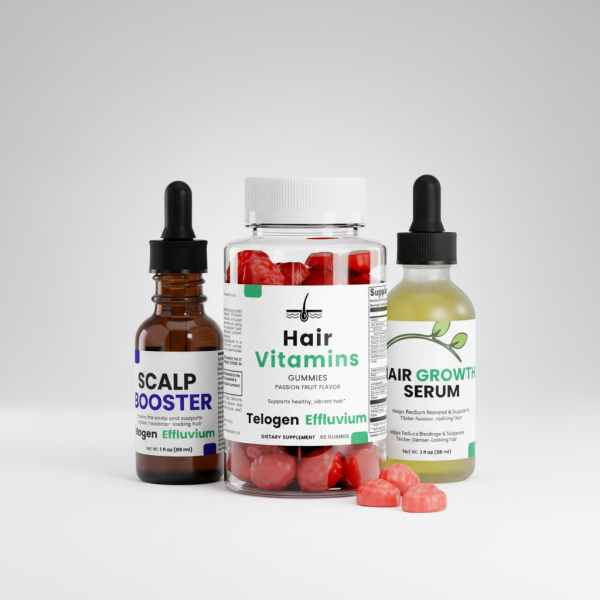 Telogen Effluvium Recovery System
Rated 4.84 out of 5
Telogen Effluvium Recovery System
Rated 4.84 out of 5$249.00Original price was: $249.00.$199.00Current price is: $199.00.