
COVID Hair Shedding
Reviewed by
Steven P., FAAD
Board-certified dermatologist
Updated on
Reviewed for accuracy
Table of Contents
What is COVID Hair Shedding?
COVID hair shedding is a form of temporary hair loss that occurs after recovering from a COVID-19 infection. It is most commonly seen as a diffuse, increased shedding of hair across the scalp, rather than patchy bald spots. This shedding is a reaction to the physical and emotional stress that the body endures during and after the illness. Both mild and severe cases of COVID-19 can trigger this response, so even those who did not experience significant symptoms may notice more hair falling out in the weeks or months following recovery.
The phenomenon is not unique to COVID-19, but the pandemic has brought increased attention to post-viral hair loss. Many people are alarmed when they see more hair than usual on their pillow, in the shower, or on their hairbrush. This type of hair shedding is temporary and is not a sign that the virus is still active or that the individual is still contagious. Understanding the underlying causes and the typical timeline can help reduce anxiety and guide appropriate self-care.
How COVID-19 Triggers Hair Shedding
COVID-19 can trigger hair shedding through several mechanisms. The most significant factor is the stress that the body experiences during infection. This stress can be both physical, such as fever and inflammation, and emotional, such as anxiety about illness and recovery. The body responds to these stressors by pushing more hair follicles than usual into the resting (telogen) phase, which leads to increased shedding a few months later.
Fever is a common symptom of COVID-19 and is a well-known trigger for telogen effluvium. When the body fights off an infection, resources are diverted away from non-essential functions like hair growth, causing more hairs to enter the shedding phase. Emotional stress from dealing with the illness, isolation, or concerns about health can further contribute to this process. These combined effects explain why hair shedding is a common complaint after recovering from COVID-19, even in those with mild cases.
What is Telogen Effluvium?
Telogen effluvium is a temporary hair shedding condition that occurs when a significant number of hair follicles enter the resting (telogen) phase of the hair growth cycle prematurely. Normally, about 5-10% of scalp hairs are in the telogen phase at any given time. However, during telogen effluvium, this percentage can increase substantially, leading to noticeable hair shedding. The condition is not limited to COVID-19 and can be triggered by various physical or emotional stressors, including illness, surgery, childbirth, or major life events.
The hallmark of telogen effluvium is diffuse hair shedding, meaning hair falls out from all over the scalp rather than in isolated patches. Most people notice increased hair on their pillow, in the shower, or on their brush. While the shedding can be alarming, telogen effluvium is almost always temporary. Once the underlying trigger is resolved, the hair follicles gradually return to their normal growth cycle, and hair regrowth begins.
Why Does Hair Fall Out After a Viral Illness?
Hair shedding after a viral illness is a well-recognized phenomenon. When the body experiences a significant stressor such as a high fever or systemic infection, it can disrupt the normal hair growth cycle. This disruption causes more hair follicles to enter the telogen (resting) phase, resulting in increased shedding a few months later. This process is not unique to COVID-19; it can also occur after illnesses like influenza, pneumonia, or scarlet fever.
The body’s response to illness is to prioritize essential functions for survival, often at the expense of non-essential processes like hair growth. As a result, hair follicles temporarily stop growing and shed more easily. Emotional stress, which often accompanies illness, can further amplify this effect.
The Link Between COVID-19 and Telogen Effluvium
COVID-19 has been identified as a significant trigger for telogen effluvium. Research confirms that about 20% of people who have had COVID-19 later develop temporary hair shedding. This shedding usually starts a few months after recovery and is characterized by increased hair loss all over the scalp. Importantly, the severity of the initial COVID-19 infection does not always predict the likelihood of hair shedding. Even those with mild symptoms can experience this reaction.
The connection between COVID-19 and telogen effluvium is primarily due to the combination of physical stress from the illness, especially fever, and the emotional stress associated with the pandemic. Both factors can disrupt the hair growth cycle, leading to more hairs entering the telogen phase. This link is similar to what is seen with other viral illnesses but has become more widely recognized due to the global scale of COVID-19.
When Does COVID Hair Shedding Happen?
The timeline for COVID hair shedding follows a predictable pattern for most people. Hair shedding typically begins 2 to 3 months after recovering from COVID-19. In one study, the average onset of hair loss was about 56 days after infection, which is just under two months. This delay occurs because it takes time for hair follicles to transition from the growth phase to the resting phase and then shed.
Once shedding begins, it usually lasts for 3 to 6 months. During this period, individuals may notice more hair falling out than usual, especially during washing or brushing. After the shedding phase, hair regrowth typically starts, and most people see complete regrowth within 6 to 8 months.
| Event | Typical Timing |
|---|---|
| COVID-19 infection | Day 0 |
| Recovery from illness | Within 2-3 weeks |
| Onset of hair shedding | 2-3 months after infection |
| Shedding phase duration | 3-6 months |
| Regrowth phase | Begins 3-6 months after shedding starts |
| Complete regrowth | 6-8 months after onset of shedding |
What COVID Hair Shedding Looks Like
COVID hair shedding typically presents as diffuse thinning across the entire scalp. Unlike conditions such as alopecia areata, which cause patchy bald spots, telogen effluvium leads to a general increase in hair fall. People often notice more hair in the shower drain, on their pillow, or accumulating in their hairbrush. The amount of hair lost can be alarming, with some individuals reporting large clumps coming out during washing or combing.
Despite the dramatic appearance, the scalp usually does not develop visible bald patches. The hair loss is spread evenly, so the overall density decreases but the hairline remains intact. In most cases, the scalp remains healthy without redness, itching, or scaling.
Can Long COVID Cause More Hair Loss?
Long COVID, also known as post-acute sequelae of SARS-CoV-2 infection (PASC), refers to persistent symptoms that last for weeks or months after the initial infection. Individuals with long COVID may experience ongoing fatigue, brain fog, and other symptoms, including prolonged or recurrent hair shedding. The continued physical and emotional stress of long COVID can keep hair follicles in the telogen phase for longer, potentially extending the duration of hair loss.
While most people with telogen effluvium after COVID-19 see improvement within several months, those with long COVID may notice hair shedding that lasts longer or recurs. It is important to address both the physical and psychological aspects of long COVID to support overall recovery, including hair regrowth. If hair loss is persistent or worsening, consulting a healthcare provider or dermatologist is recommended.
Managing and Treating COVID Hair Shedding
Most cases of COVID hair shedding resolve on their own without the need for medical treatment. The primary approach is supportive care, focusing on minimizing further stress to the hair and scalp. Gentle hair care practices, such as avoiding harsh styling, heat treatments, and tight hairstyles, can help reduce breakage and support healthy regrowth. Maintaining a balanced diet and managing stress are also important for hair health.
There is no specific medication required for telogen effluvium unless another underlying condition is identified. In rare cases, if hair loss is severe or accompanied by other symptoms, a healthcare provider may recommend blood tests or further evaluation.
At-Home Care
At-home care plays a crucial role in supporting hair recovery after COVID-19. Using a gentle shampoo and conditioner, avoiding excessive brushing, and minimizing the use of heat styling tools can help protect fragile hair. It is also important to avoid chemical treatments such as coloring or perming until hair shedding has resolved.
A nutritious diet rich in protein, vitamins, and minerals supports hair regrowth. Managing stress through relaxation techniques, exercise, or counseling can also help reduce ongoing shedding.
Recovery: What to Expect
Recovery from COVID hair shedding is the norm for most people. After the shedding phase, which typically lasts 3 to 6 months, hair regrowth begins without the need for treatment. New hair growth may be visible as short, fine hairs along the hairline or part. Most individuals see complete regrowth within 6 to 8 months after the onset of shedding.
Patience is key during the recovery process. While the amount of hair lost can be distressing, the hair follicles remain healthy and capable of producing new hair. Rarely, if hair does not regrow or if another underlying condition is suspected, further evaluation may be needed.
COVID Hair Shedding FAQs
How long does hair loss last after COVID?
Hair shedding after COVID-19 usually lasts 3 to 6 months. Most people begin to see new hair growth as the shedding phase ends, with complete regrowth typically occurring within 6 to 8 months.
Is COVID hair loss permanent?
COVID hair shedding is almost always temporary. The majority of people experience full regrowth of their hair without the need for medical treatment. Permanent hair loss is rare and usually associated with other underlying conditions.
Can stress from having COVID cause hair shedding?
Yes, both the physical stress of illness and the emotional stress of dealing with COVID-19 can trigger telogen effluvium, leading to increased hair shedding. Stress management is an important part of recovery.
What can I do to help my hair recover?
Gentle hair care, a balanced diet, and stress reduction can support hair regrowth. Avoid harsh styling, heat treatments, and chemical processes until shedding resolves. Most people see improvement with time and self-care.
Does everyone get hair loss after COVID?
No, not everyone experiences hair shedding after COVID-19. In studies, about 20% of people who had COVID-19 developed temporary hair shedding. The risk is influenced by individual factors and the severity of illness or stress.
Is post-viral hair shedding the same as telogen effluvium?
Yes, post-viral hair shedding is a form of telogen effluvium. It occurs when a significant stressor, such as a viral illness, causes more hair follicles to enter the resting phase, leading to increased shedding.
Will hair grow back on its own?
In most cases, hair regrows on its own after the shedding phase ends. No specific treatment is needed unless another underlying condition is present. Patience and supportive care are usually sufficient for recovery.
When should I worry about hair loss after COVID?
Seek medical advice if hair loss is severe, lasts longer than six months, or is accompanied by other symptoms such as scalp redness, itching, or bald patches. A healthcare provider can help determine the cause and recommend appropriate management.
Fact Checked
Updated: December 30, 2025
Reviewed for accuracy against authoritative clinical sources and peer reviewed dermatology references. Educational content only.
Quality Controlled
We use a structured editorial process focused on clarity, accuracy, and alignment with current clinical understanding. This content is not a substitute for professional medical advice.
Editorial Policy
Clinical Sources
Reviewed by
Steven P., FAAD
Board-certified dermatologist
Updated on
Reviewed for accuracy
Table of Contents
Products
-
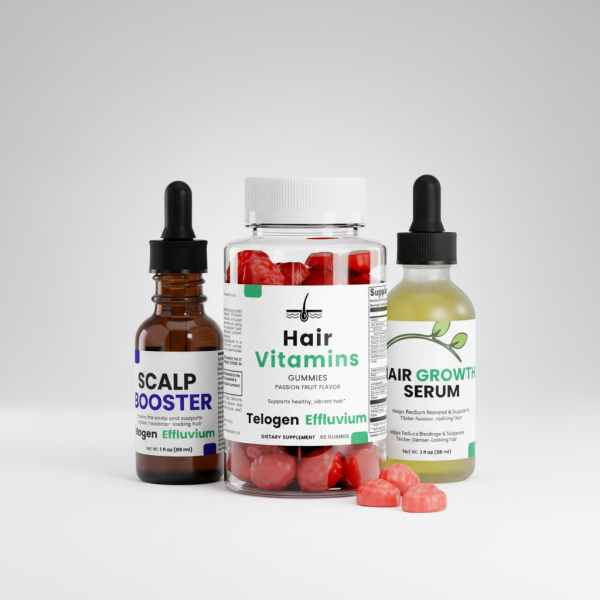 Telogen Effluvium Recovery System
Rated 4.84 out of 5
Telogen Effluvium Recovery System
Rated 4.84 out of 5$249.00Original price was: $249.00.$199.00Current price is: $199.00.