

Telogen Effluvium Treatment
Stop The Shed. Start Your Recovery Routine.
A simple 3-product system designed to support healthier scalp conditions and help you stay consistent through the telogen effluvium timeline.
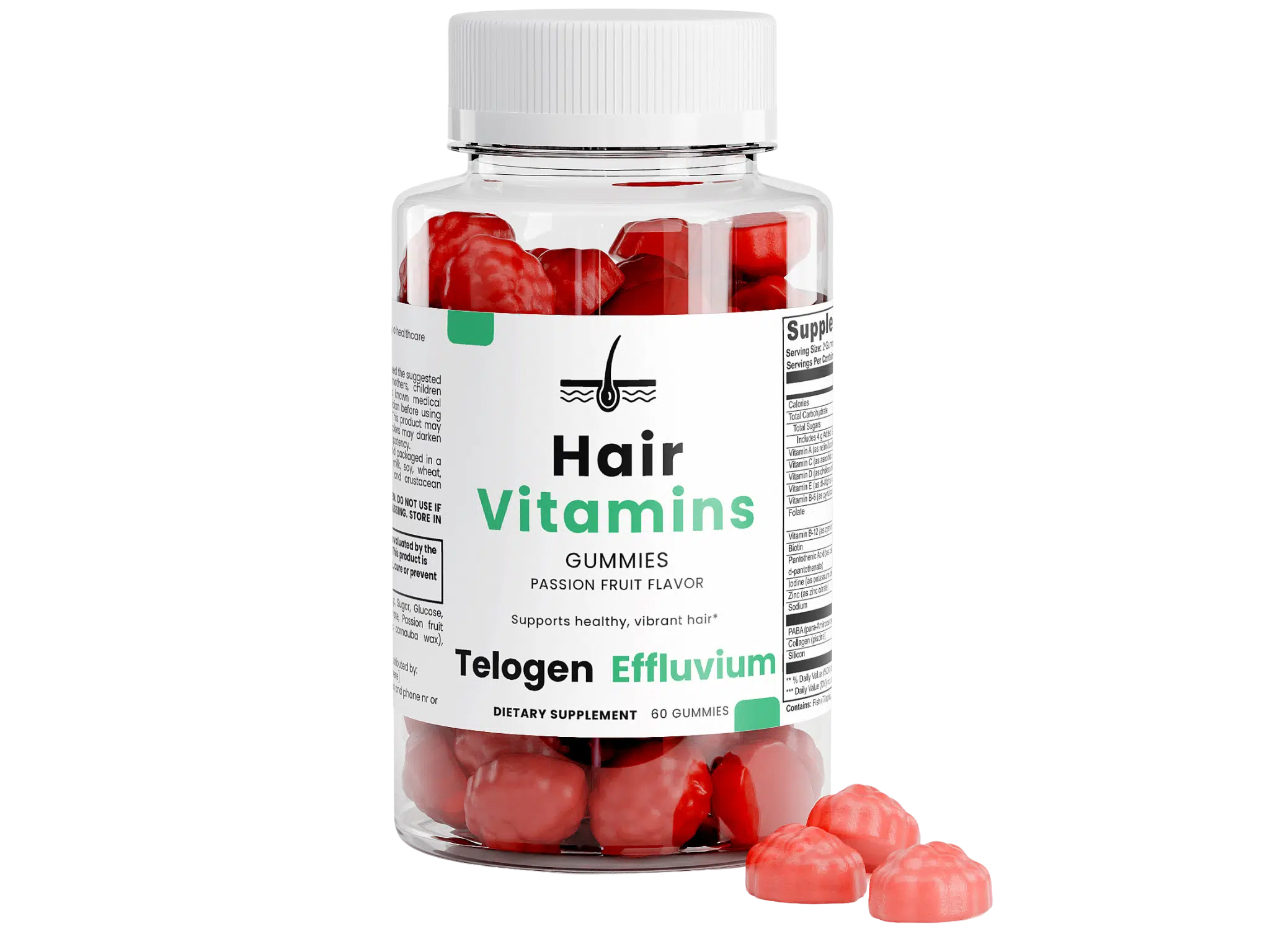


You can probably resolve telogen effluvium by first checking for medical triggers like low iron, vitamin D, thyroid issues, illness, or new medications and correcting any deficiencies with your clinician. Support regrowth with enough protein, iron‑rich foods, and targeted supplements only when tests confirm a need. Use gentle hair care, avoid tight styles and harsh treatments, and consider minoxidil or low‑level red light under dermatologic guidance. Managing stress and optimizing scalp care can further improve shedding and long‑term density.
Telogen Effluvium Treatment Options
- Identify and correct triggers: recent illness, surgery, childbirth, crash dieting, thyroid issues, low iron/ferritin or vitamin D, and offending medications.
- Treat deficiencies based on blood tests: optimize ferritin, vitamin D, B12, folate, zinc, and protein intake under medical supervision; avoid unnecessary high-dose supplements.
- Consider topical minoxidil and, in select cases, low-level red light therapy to shorten shedding and promote earlier regrowth, guided by a dermatologist.
- Use gentle hair care: mild shampoo, minimal heat/chemical treatments, wide-tooth combs, and protective styles to reduce breakage and mechanical shedding.
- Support scalp and shaft health with occasional oil massages or masks for moisture and strength, knowing these aid hair quality but not root medical causes.
Telogen Effluvium Natural Remedies
You can use natural hair oils and masks as supportive care to condition the scalp and hair shaft while your follicles recover from telogen effluvium. While these remedies don’t treat the root cause of shedding, they can reduce breakage, improve hair’s cosmetic appearance, and support scalp comfort as medical and nutritional strategies take effect.
It’s important to choose ingredients with some evidence for scalp health, patch‑test for irritation, and use them alongside, not instead of, clinically guided treatment.
Hair Oils
Turn to hair oils as a gentle, supportive option that can protect fragile strands during telogen effluvium, while recognizing they won’t correct the underlying cause of shedding.
A slow scalp massage with diluted rosemary or peppermint oil may slightly boost local circulation, and oil layering with coconut, argan, or jojoba can strengthen the hair shaft and reduce breakage.
Use essential oils cautiously: keep them at about 1-2% in a carrier oil, perform patch testing first, and stop if you notice irritation.
You might explore scent pairing (for example, rosemary with lavender) to make your routine feel soothing and shared, not isolating.
An overnight treatment on the scalp or lengths can add softness, but still prioritize medical evaluation and nutrition.
Hair Masks
While hair oils can cushion fragile strands, many people also reach for hair masks to give shedding hair a smoother, stronger feel during telogen effluvium. Masks can’t shift follicles out of telogen, but they do offer deep conditioning that limits breakage and helps you feel more at ease with your hair.
You might use a protein-rich mask (such as egg and yogurt) every 2-4 weeks to reinforce brittle shafts, balancing it with moisturizing masks that contain argan, jojoba, or olive oil. Look for color safe formulas with built‑in heat protection if you style your hair.
Scalp-focused masks providing gentle exfoliation and a mild scalp cooling effect can clear excess sebum. Choose low‑fragrance, odor neutralizing options to reduce irritation and feel comfortable in shared spaces.
Telogen Effluvium Supplements
When lifestyle measures aren’t enough, you and your clinician may consider targeted supplements to address telogen effluvium.
You’ll focus first on correcting measurable deficiencies in key vitamins (such as vitamin D or, rarely, biotin) and minerals (especially iron and zinc), because these nutrients directly affect the hair growth cycle.
You can also discuss evidence-based hair growth supplements that combine these components, but you should use them only after blood testing and professional guidance to avoid unnecessary or excessive dosing.
Telogen Effluvium Vitamins
Although vitamins and supplements often seem like a quick fix for telogen effluvium, they’re most effective only when they correct a specific deficiency. Ask your clinician to check ferritin before starting iron supplementation, and review your zinc status, protein intake, and overall diet. You’re not alone in this as many people with shedding discover a correctable deficiency.
Low vitamin D is common and may worsen diffuse hair loss, so measuring and replacing it under medical guidance matters. Use biotin caution: high doses rarely help without proven deficiency and can distort lab tests.
| Priority Lab-Guided Step | Why It Matters for You |
|---|---|
| Check ferritin, 25‑OH vitamin D | Identifies key reversible triggers |
| Assess B12, folate, zinc | Targets broader nutrient gaps |
| Review diet with a professional | Builds a sustainable, hair‑supportive plan |
Telogen Effluvium Minerals
Think of telogen effluvium mineral supplements as targeted tools, not blanket cures. You’re not “failing” if you need them; you’re working with your body. The first step is testing: ferritin, zinc, vitamin D, and other trace elements, rather than guessing.
If ferritin’s low, iron plus vitamin C can enhance iron absorption and gradually support regrowth. With zinc, stay within medically guided doses, because excessive intake can trigger copper interaction problems and anemia. Your clinician may also review selenium balance, since both deficiency and excess can disturb hair cycling.
Magnesium status, often overlooked, influences stress response and overall metabolic health, indirectly affecting shedding. Partner with your dermatologist to personalize minerals instead of stacking unneeded supplements.
Telogen Effluvium Hair Growth Supplements
Shift your focus from “more supplements” to “the right supplements for the right problem.”
In telogen effluvium, clinically guided hair growth support usually starts with lab work to identify correctable deficiencies, especially iron (low ferritin), vitamin D, zinc, and sometimes other micronutrients.
If ferritin’s low, your clinician may prescribe oral ferrous sulfate or gluconate plus vitamin C.
They’ll also review hormone imbalance, stress biomarkers, thyroid status, and Pregnancy recovery, because these often coexist with shedding.
A targeted multivitamin can help if your diet’s limited, but avoid “hair mega-doses” without testing.
Biotin only helps when you’re deficient.
Allergy testing, gut and Microbiome interactions, and even topical minoxidil may be considered, all tailored so you’re not facing this hair loss alone.
Diet for Telogen Effluvium
For many people with telogen effluvium, what you eat plays a direct role in how well your hair recovers.
Center your meals on steady protein timing, aiming for 40-60 grams of protein spread across the day to support the anagen (growth) phase. You can add collagen peptides if they fit your overall protein goals.
Build plates rich in anti inflammatory foods like colorful vegetables, fruits, olive oil, nuts, and fatty fish.
Prioritize iron (red meat, lentils, dark leafy greens) and vitamin C rich foods to enhance absorption.
Use consistent hydration strategies (water, herbal teas, broths) so your scalp and follicles aren’t stressed by dehydration.
Support the gut hair axis with fiber-rich whole grains and fermented foods, while avoiding crash diets or rapid weight loss.
Telogen Effluvium Treatments
Beyond lifestyle and nutritional changes, you can also consider targeted treatments to support hair regrowth in telogen effluvium. You’ll learn how medications, including off‑label use of topical minoxidil, may help shorten the shedding phase and promote thicker regrowth, as well as when they’re appropriate and safe.
We’ll also review the evidence for low‑level red light therapy so you can weigh its potential benefits, limitations, and costs with your dermatologist.
Telogen Effluvium Medications
telogen effluvium treatment
Although lifestyle and nutritional changes lay the foundation for recovery, medical treatment for telogen effluvium focuses first on finding and correcting the underlying trigger such as iron deficiency, thyroid disease, major illness, or an offending medication because shedding typically improves once that cause is addressed.
Your clinician will review prescription alternatives, route considerations, and potential drug interactions before starting any therapy.
If tests show low ferritin, they may recommend oral iron rather than routine supplements, with clear patient counseling on timing, side effects, and duration.
You’ll likely follow monitoring protocols with repeat labs to confirm correction and avoid overload.
For chronic or unexplained shedding, a dermatologist may add short-term topical options or device-based therapies, always tailoring choices to your overall health and goals.
Minoxidil for Telogen Effluvium
While correcting the underlying trigger remains the priority in telogen effluvium, minoxidil can play a supportive role by nudging resting follicles back into a growth phase more quickly.
The minoxidil mechanism shortens telogen and promotes earlier anagen entry, which may be especially useful in chronic TE or when androgenetic alopecia overlaps.
You’ll usually use 2%-5% once or twice daily; consistent application timing matters more than the exact hour.
Many people prefer foam vs solution because foam contains less alcohol and may irritate less, but both can work if they reach the scalp.
Your dermatologist might suggest combination therapies, pairing minoxidil with nutritional correction or hormonal treatment.
Expect possible temporary post treatment shedding, plus irritation or unwanted hair growth near application sites.
Red Light Therapy for Hair Growth
Red light therapy, also called low-level laser therapy (LLLT), uses specific wavelengths of light (typically 630-670 nm or 800-870 nm) to stimulate hair follicles by boosting cellular energy production.
This mechanism overview centers on increased mitochondrial ATP, which may help hairs leave telogen and re-enter anagen.
For telogen effluvium, data are more limited than for androgenetic alopecia, but studies show modest gains in density and thickness with wavelength optimization and consistent treatment scheduling (usually 3-4 times weekly, 15-30 minutes).
You’ll typically reassess benefits after 3-6 months.
You can choose home vs clinic devices; both can work when FDA‑cleared and used correctly.
Prioritize device safety, especially if you have photosensitivity, migraines, or a history of malignancy near the treatment area.
Gentle Hair Care Practices to Reduce Shedding
In managing telogen effluvium, gentle hair care reduces preventable shedding by minimizing friction, heat, and traction on already fragile strands. You’re not being “overly careful”; you’re protecting follicles while they recover, including in postpartum haircare routines.
Practice scalp friendly detangling with a wide-tooth comb or soft bristle brushing, starting at the ends and working upward to avoid unnecessary pulling.
Use gentle drying techniques: wash with mild, sulfate‑free shampoo, apply lightweight conditioner, then pat—not rub—hair with a soft towel or microfiber cloth and air‑dry when possible.
Choose low tension styling by avoiding tight ponytails, braids, or buns; use soft, fabric‑covered or spiral ties and keep heat tools on the lowest setting for short durations.
De-Stressing to Reduce Hair Shedding
Because psychological stress is a well‑established trigger for telogen effluvium, actively lowering your stress load becomes a core part of treatment rather than an optional wellness add‑on.
Shedding often starts 2-3 months after a major stressor and may ease within 3-6 months once you calm your system.
Prioritize 7-9 hours of sleep to limit cortisol spikes that nudge follicles from anagen into telogen.
Use stress journaling to externalize worries, then reset your nervous system with nature walks, progressive relaxation, or 10-20 minutes of mindfulness or deep breathing.
Laughter therapy—watching something genuinely funny with people you trust—can reduce perceived stress.
If anxiety or depression accompany your hair loss, consider counseling or cognitive behavioral therapy.
A brief digital detox can further lower mental overload.
Scalp Care
Although telogen effluvium originates inside the follicle, how you treat your scalp can either protect vulnerable hairs or accelerate shedding. Choose a gentle, sulfate‑free shampoo to respect your scalp pH and avoid daily washing; over‑cleansing can increase breakage. Use lukewarm water temperature, since hot water may dry the scalp and weaken fibers.
Support healing with:
Light scalp massage for 5-10 minutes daily, avoiding scratching; pair it with calming night routines and good sleep hygiene.
Occasional, very gentle scalp exfoliation if you have buildup, stopping if irritation or extra shedding appears.
Careful grooming using a wide‑tooth comb from ends upward, and minimizing heat or chemical treatments.
If redness, pain, or rapid shedding continue, ask a dermatologist to examine your scalp before starting treatments like minoxidil.
Telogen Effluvium Treatments FAQs
Can Telogen Effluvium Become Permanent or Lead to Scarring Hair Loss?
It’s usually reversible and doesn’t cause scarring hair loss or permanent risk if triggers stop. However, overlapping conditions with scarring potential and hair follicle damage can occur, so prognosis factors require dermatologist evaluation and long term monitoring to protect regrowth.
How Can I Tell Telogen Effluvium From Androgenetic Alopecia?
Like tracing two branching paths, you’ll compare pattern differences, note diffuse versus patterned thinning, use a pull test, assess family history, look for hair miniaturization, and, when unclear, confirm diagnosis with a dermatologist‑performed scalp biopsy.
Does Postpartum Telogen Effluvium Need Different Management Than Other Types?
Yes, you’ll manage it somewhat differently by integrating postpartum counseling, lactation considerations, maternal nutrition, and the hormonal timeline, while reassuring you about normal regrowth so hair worries don’t overshadow recovery, rest, and infant bonding with your community’s support.
Can Tight Hairstyles or Hair Extensions Trigger Telogen Effluvium?
Yes, tight hairstyles or extensions can trigger telogen effluvium indirectly by causing scalp tension, traction alopecia, follicular inflammation, hair shaft damage, and reactions to extension adhesives. You’ll protect regrowth by loosening styles, rotating looks, and monitoring shedding.
How Long After a Triggering Event Does Telogen Effluvium Usually Begin?
You usually notice telogen effluvium about 2-3 months after a trigger; this onset timing reflects a latent period, a delay interval between trigger to shedding, then acute shedding that often stabilizes within several months.